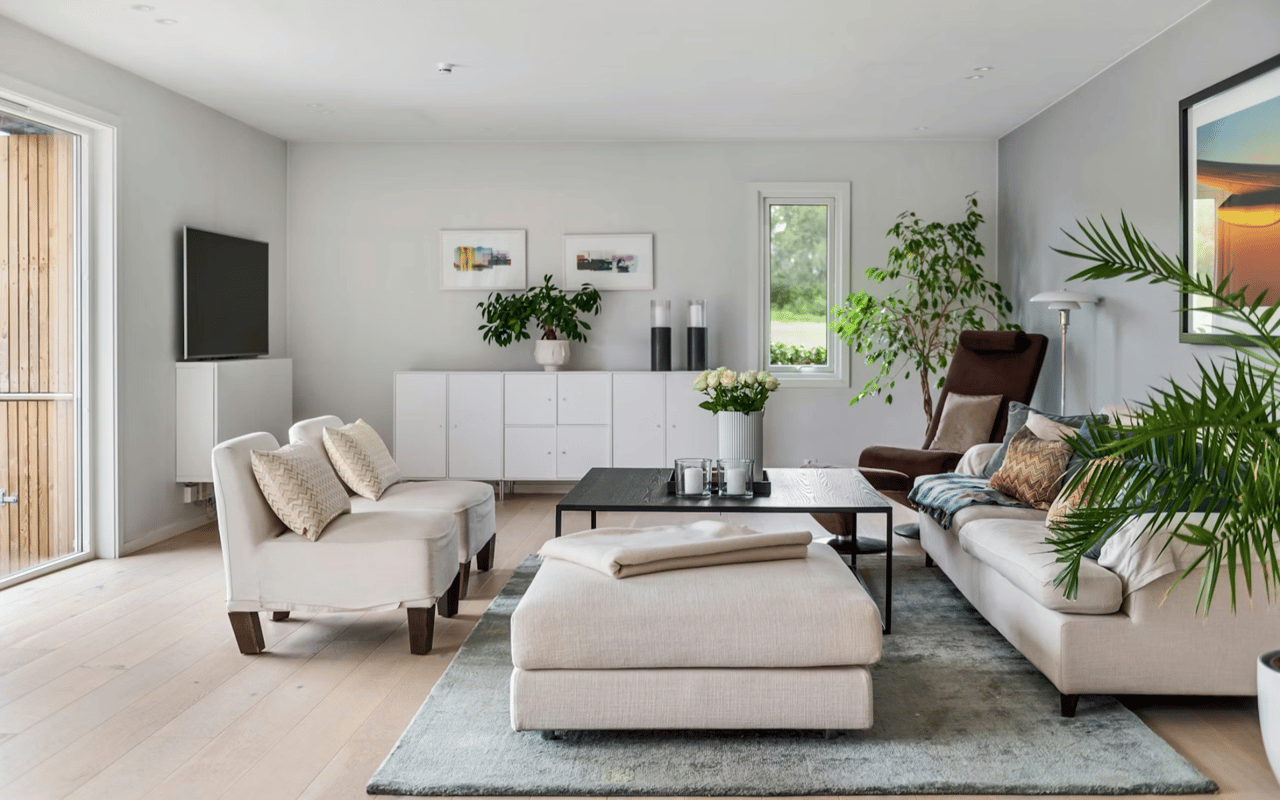
Buying a new home is one of life’s most exciting—and complex—decisions. While it's tempting to focus on square footage as a major benchmark, the real magic happens in the details that aren’t always visible in a listing. From neighborhood feel to natural light and long-term livability, knowing what to look for in a new home ensures you make a choice that truly fits your lifestyle, not just your furniture.
Location and Neighborhood Vibe
It’s easy to get caught up in square footage, but where your future home is located matters just as much—if not more. Consider your commute times, proximity to schools or work, local amenities like parks and grocery stores, and the general personality of the neighborhood. Are you seeking a quiet suburban retreat or a bustling urban setting? The right location supports your daily life, not just your weekend plans.
Natural Lighting and Orientation
Light can transform how a space feels. South- or west-facing homes often get the best natural light, especially in the living spaces. Take note of window placement and sunlight exposure during different times of the day. A well-lit home can reduce energy bills, boost your mood, and enhance the feel of your interior spaces—something you won’t see reflected in square footage alone.
Storage Space and Closet Design
One of the most overlooked aspects in home shopping is functional storage. Consider where you’ll keep seasonal items, tools, cleaning supplies, and other belongings. Are there walk-in closets, garage shelving, built-ins, or attic/basement space? Efficient storage options keep your home feeling organized, even if it's on the smaller side.
Noise Levels and Privacy
Spend time in and around the home at different times of the day to get a sense of ambient noise. Is the property near a freeway, school, or flight path? What about neighbor proximity? Pay attention to window insulation and wall thickness. If peace and quiet are high priorities, these subtleties can greatly impact your comfort and quality of life.
Functional Floor Plan
A large square footage doesn’t mean much if the layout doesn’t work for you. Open-concept layouts may feel more spacious but consider how you’ll use each room. Do you work from home and need a dedicated office? Is there space separation for guests or children? Think beyond aesthetics and ask whether the flow supports your lifestyle.
Age and Condition of Major Systems
Check the age and status of essential systems like the HVAC, plumbing, roof, and electrical wiring. Repairs can be costly and disruptive. Even a home that looks pristine on the surface could hide aging systems that need upgrades. Request a full inspection to avoid surprises and get a better picture of the home’s true value.
Energy Efficiency and Utility Costs
Energy-efficient homes save money and reduce your environmental footprint. Look for dual-pane windows, insulated walls, updated appliances, and solar panels if available. Ask for past utility bills or energy performance ratings to gauge how efficiently the home runs. These factors play a big role in long-term affordability—far beyond square footage.
Curb Appeal and Exterior Maintenance
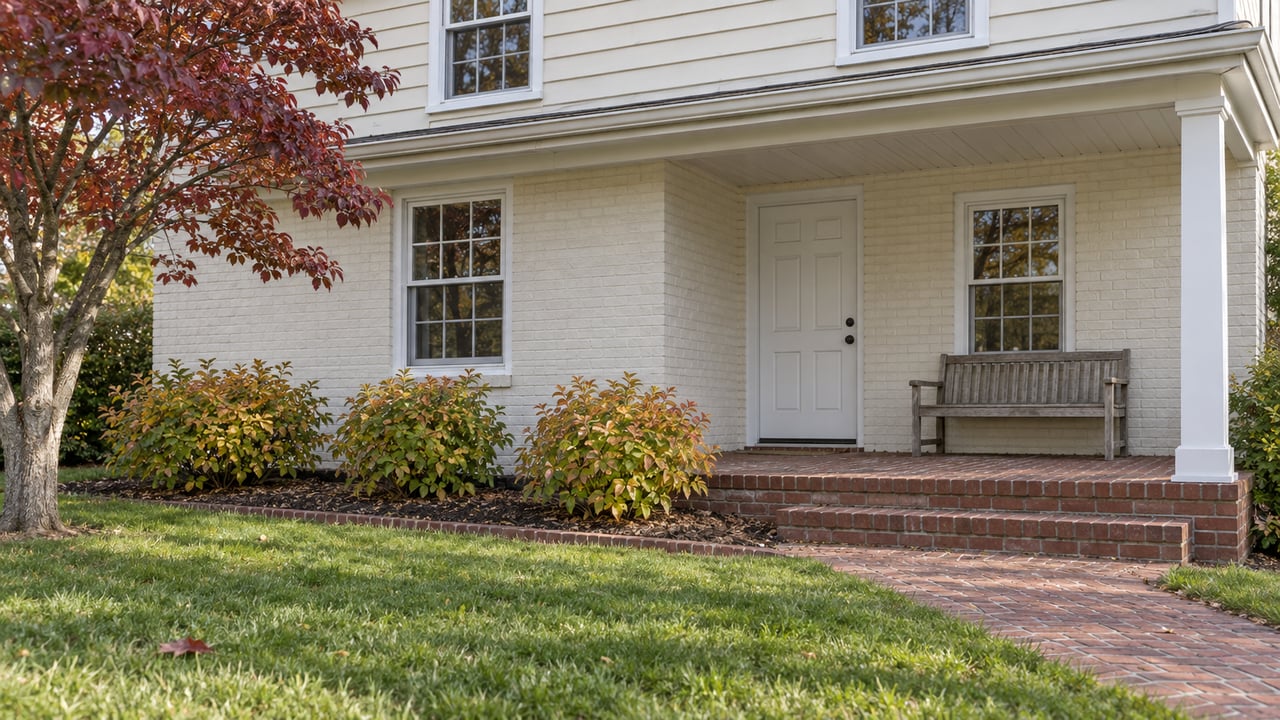
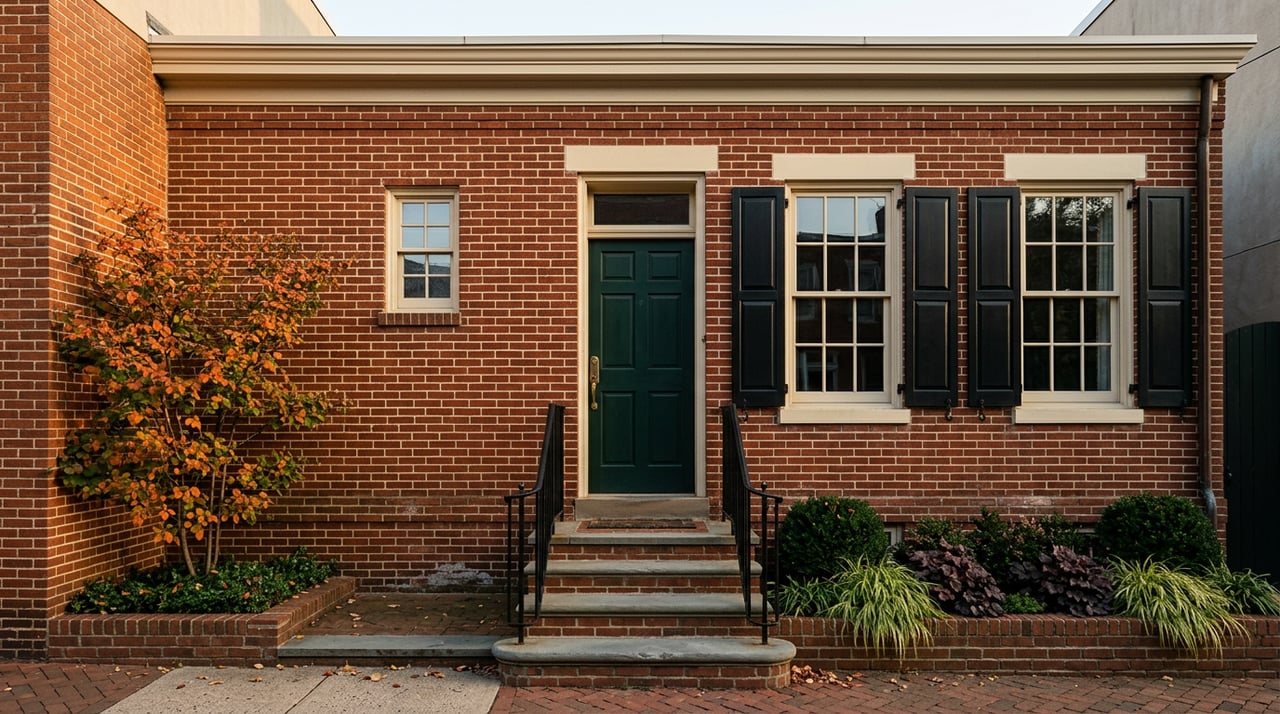
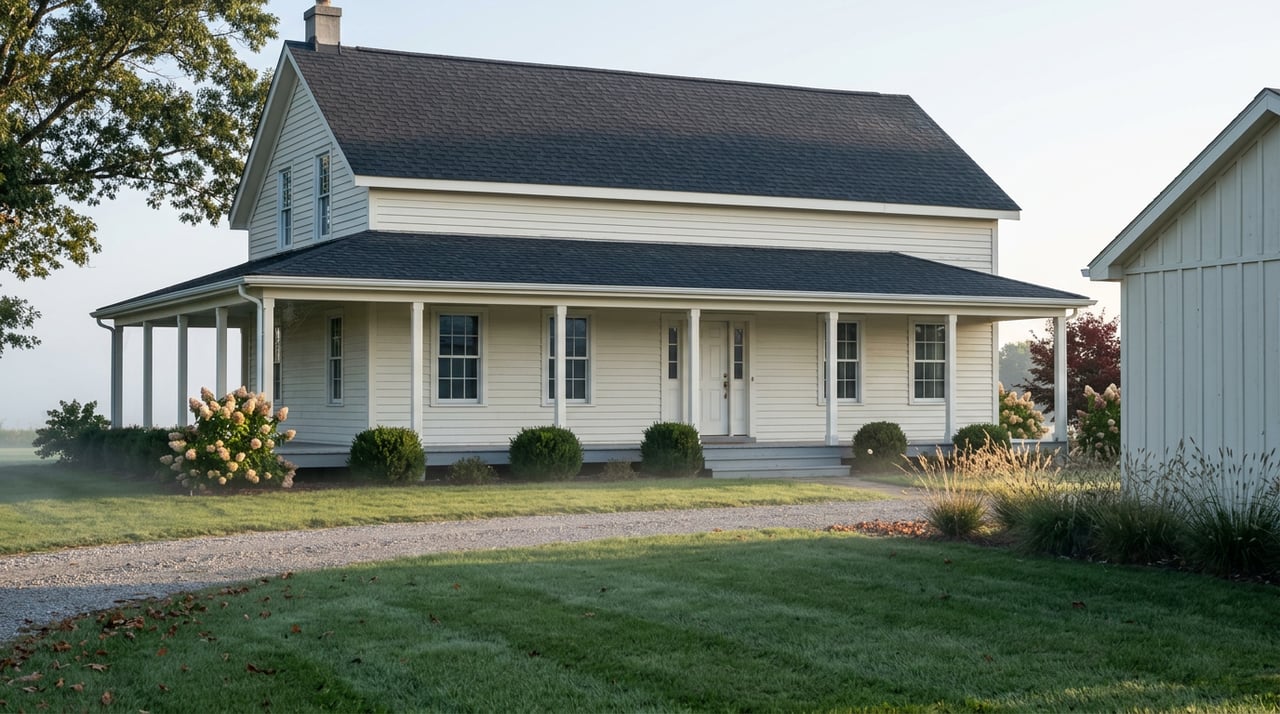
The outside of a home sets the tone before you even step inside. Evaluate the condition of the siding, roof, landscaping, driveway, and walkways. Think about the time and budget required for upkeep. While cosmetic issues can be fixed, consistent exterior maintenance speaks volumes about how well the home has been cared for.
Parking and Garage Functionality
Don’t forget to assess parking! Whether you need a two-car garage, guest parking, or off-street access, these are critical lifestyle factors. Tight driveways or limited parking options can create long-term frustration. Also consider if there’s space for storage, hobbies, or even a home gym in the garage.
Smart Home Features and Tech Readiness
Smart features like thermostats, security systems, or built-in speakers enhance convenience and resale value. Even if the home doesn’t include them, look for compatibility with your preferred tech. Strong internet connectivity and ample outlets also matter—especially if your household relies on remote work or multiple devices.
Future Resale Potential
It’s wise to consider not just how the home works for you now, but how it might appeal to future buyers. Homes near schools, transit lines, or popular neighborhoods often retain value better. Features like flexible living spaces, updated kitchens, and curb appeal can enhance resale value. Think of it as a long-term investment, not just a current solution.
Outdoor Living Space
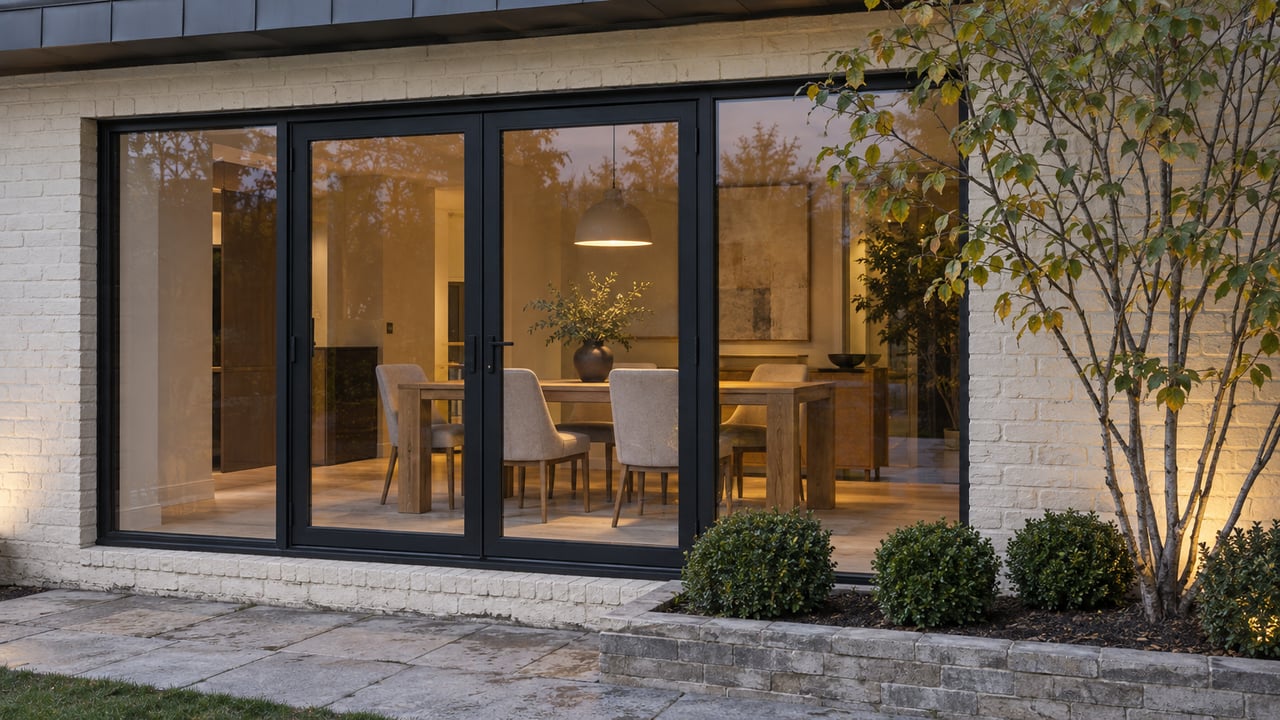
Even modest homes feel expansive when they include a functional outdoor area. Patios, balconies, decks, or yards extend your living space and can be used for entertaining, relaxing, or gardening. Consider privacy, sunlight, and maintenance requirements. A well-designed outdoor space can significantly improve your lifestyle and daily enjoyment of the property.
Safety and Security
Investigate neighborhood safety stats and talk to neighbors if possible. Does the property have fencing, outdoor lighting, or security systems? These elements offer peace of mind and should align with your personal comfort level. Feeling secure in your home is a non-negotiable, even if everything else seems perfect.
Community and HOA Rules
If the home is part of a homeowners association (HOA), carefully review the rules, fees, and benefits. Some offer great amenities like pools or landscaping, but others may restrict design choices or rentals. Understanding community guidelines helps avoid surprises and ensures they align with your lifestyle goals.
Room for Growth
Whether you’re planning a family, launching a home-based business, or simply want flexibility, think ahead. Is there room to expand, renovate, or repurpose rooms as needs change? Even if you’re buying for the present, a home with adaptability will serve you better in the long run.
Beyond the Numbers
Square footage is just one piece of the puzzle when buying a home. The features that truly shape your experience often go unseen on listings: how light moves through the rooms, the comfort of the layout, or the feeling of stepping into a space that just fits. Prioritize what matters most to you—not just in size, but in feel, function, and future value. When you know what to look for in a new home, you’re far more likely to find a space that supports your lifestyle and brings long-term satisfaction.
Work With a Local Pro Who Sees the Whole Picture
Ready to take the next step in your home search? Cheryl L. Folmer is a trusted real estate expert who understands that your home needs are more than just numbers on paper. Whether you're seeking smart design, lifestyle-focused features, or future flexibility, Cheryl will guide you with clarity and care. Let her help you find a home that meets your checklist—and exceeds your expectations.