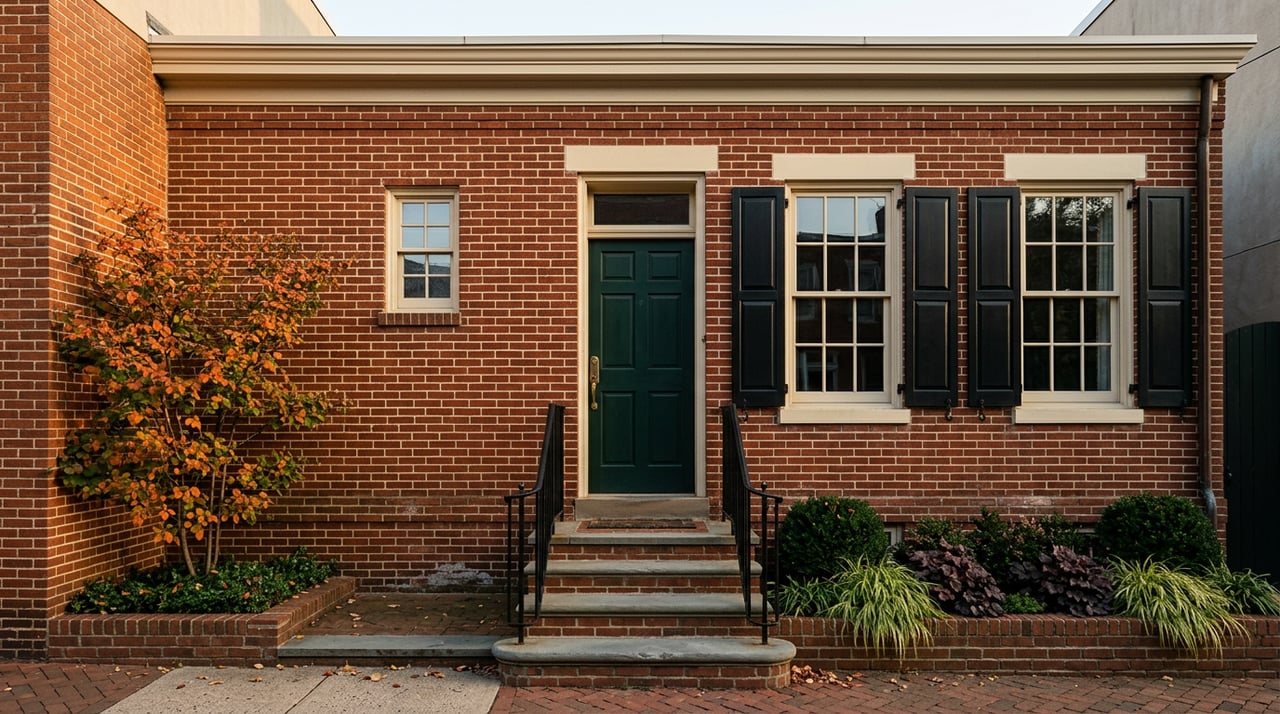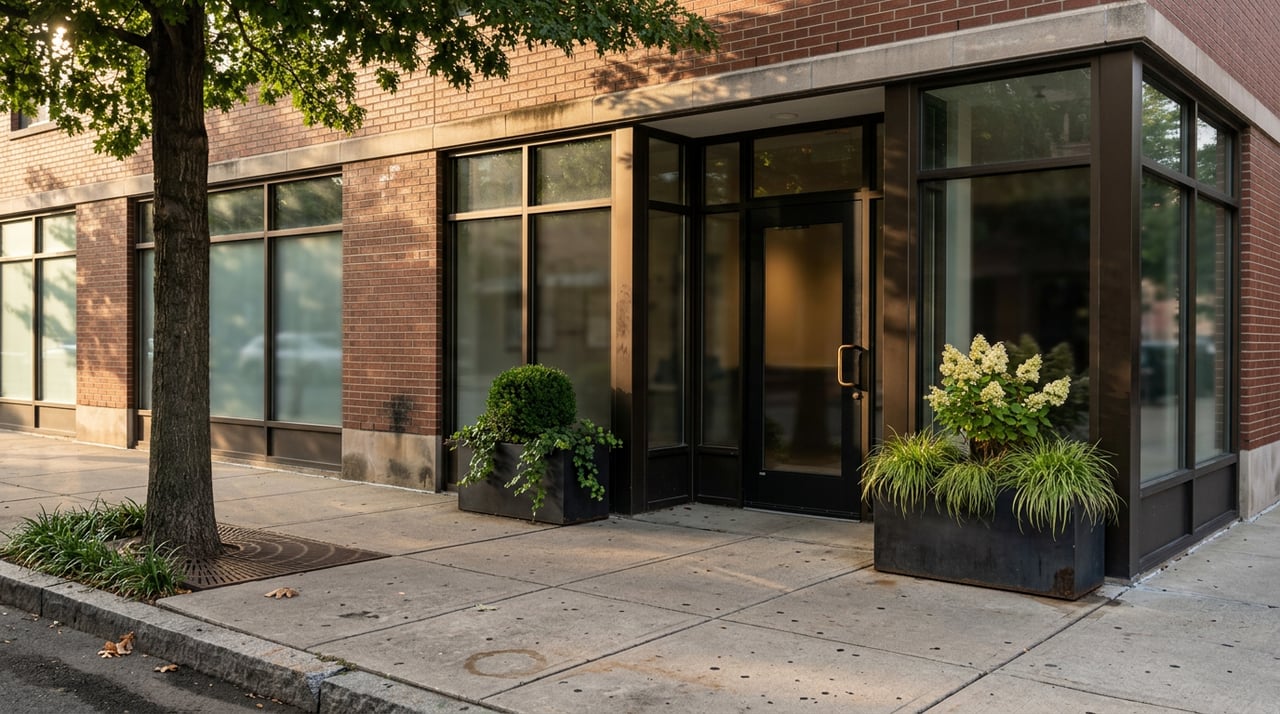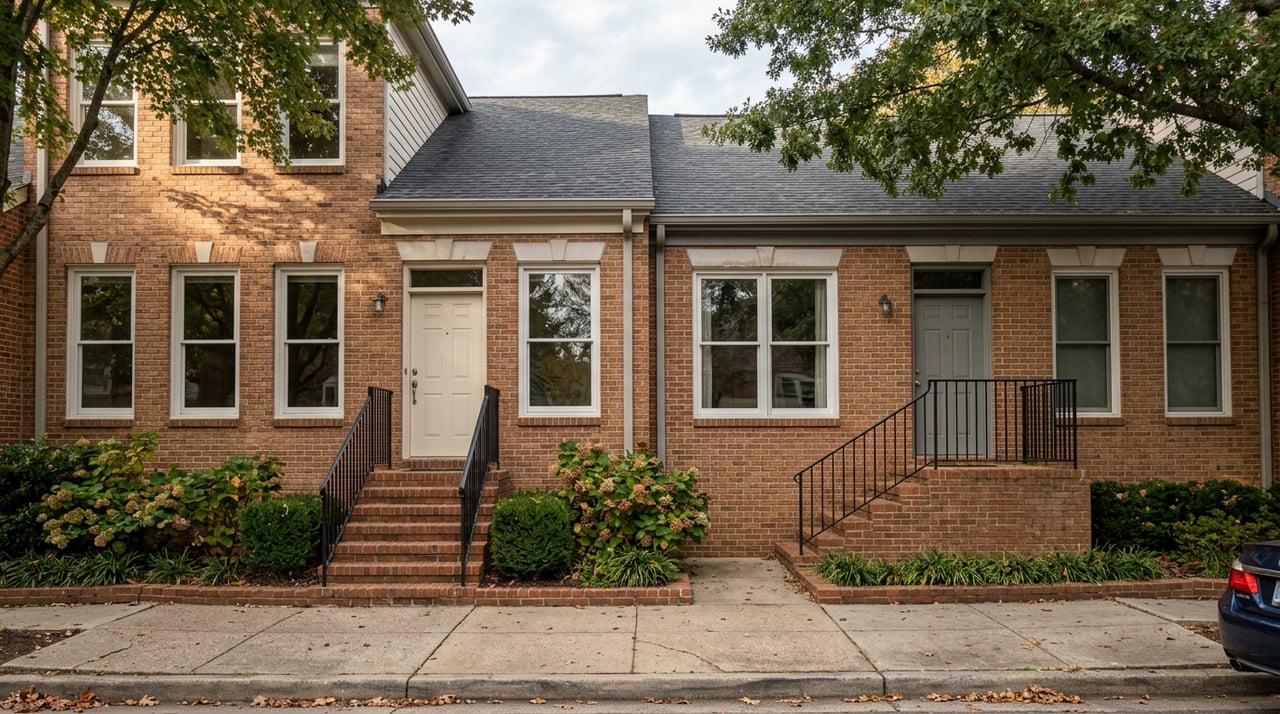
Staring at listings and torn between a condo and a townhome in Alexandria? You’re not alone. With so many neighborhoods, building types, and HOA rules, it can be hard to know what truly fits your lifestyle and budget. In this guide, you’ll learn how condo and townhome ownership differ, what fees actually cover, how to compare neighborhoods, and what to check before you write an offer. You’ll also get a simple budgeting model, transit and parking insights, and a buyer checklist to move forward with confidence. Let’s dive in.
Condo vs townhome basics
Choosing the right type of home starts with legal ownership and maintenance responsibilities.
Condos: You typically own the interior of your unit while the association owns and maintains common elements like the structure, roof, exterior, and grounds. You pay monthly dues that fund building maintenance, insurance on common areas, and reserves. You carry an HO‑6 policy for your unit’s interior, personal property, and liability. For coverage scope and why it matters, review the master policy and your HO‑6 needs using this helpful overview of condo insurance terms and loss‑assessment coverage: master policy and HO‑6 basics.
Townhomes: Legal form varies. Some are fee simple where you own the land and exterior and a small HOA maintains shared areas. Others are within a condominium regime that functions more like a condo from a maintenance and insurance perspective. Always verify the legal form in the community’s governing documents and disclosure packet.
What fees really cover
Monthly dues vary by building age, size, and amenities. In Alexandria, condo fees commonly range from about 150 to 750 plus per month depending on whether they include some utilities or building amenities like a gym, pool, concierge, or garage parking. Townhome HOA dues, when present, often run lower if exterior upkeep is the owner’s responsibility, though gated or amenity‑rich communities can be higher. Treat any fee you see in a listing as a starting point. Confirm current dues, planned increases, and what is included in the resale certificate and budget.
If you are comparing two properties, look beyond the headline fee to what you get for it. For example, a higher fee that includes water, trash, building insurance, and reserves for major repairs can be a better long‑term value than a lower fee that underfunds reserves.
Neighborhoods at a glance
Old Town (22314)
Alexandria’s historic core offers brick sidewalks, waterfront parks, and a dense mix of shops and dining along King Street. Many homes are historic rowhouses sold as townhouses, plus garden‑style condos and a few luxury infill buildings. Walkability is excellent in central blocks. If you plan any exterior work on a property in the Old and Historic District, note that the Board of Architectural Review oversees design changes and many exterior changes require approval. See the city’s guide to historic preservation and BAR reviews.
Tip: To gauge everyday convenience, check a Walk Score example in central Old Town and then map your actual property to the nearest Metro and grocery. Scores in core blocks are often very high.
Del Ray (22301)
Del Ray centers on Mount Vernon Avenue with neighborhood‑scale retail, cafes, and civic events. Housing includes small townhouses, low‑rise condos, and early 20th‑century homes. Buyers choose Del Ray for its neighborhood retail and an easygoing, small‑town feel within the city. Inventory here tends to be low‑rise rather than tower living.
Carlyle and Eisenhower East
East of Old Town near Eisenhower Avenue, Carlyle and Eisenhower East are planned, mixed‑use districts with mid to high‑rise residential, office, parks, and retail. Buildings here often offer elevator access, garage parking, and modern amenities, which can be appealing if you want newer systems and on‑site conveniences.
Potomac Yard and North Old Town fringe
Potomac Yard is a major redevelopment area with new condos and townhomes, mixed‑use mid‑rises, and strong transit access thanks to the Potomac Yard–VT Metrorail station that opened in 2023. If brand‑new construction, modern amenities, and direct Blue/Yellow Line access are priorities, this area is worth a close look. Learn more about the station and connections on the city’s page for Potomac Yard–VT Metrorail Station access.
Commute, transit, and parking
Metrorail: Alexandria is served by the Blue and Yellow lines, including King St–Old Town, Braddock Road, and Potomac Yard. Typical rail time from King Street to L’Enfant Plaza is about 20 minutes, not including walking or transfers. Service patterns can change with maintenance, so check current schedules when you plan.
VRE and Amtrak: Alexandria’s station near King St–Old Town offers VRE commuter and Amtrak intercity service, which some buyers use as an alternative to Metrorail for certain commutes.
DASH and local options: DASH buses and the free King Street trolley add first and last mile coverage around the city and between stations and key destinations.
Parking reality: Many Old Town blocks and areas near Metro stations use residential permit parking districts with time limits for non‑residents. If you own a car, confirm whether a listing includes assigned off‑street or garage parking and review the city’s Residential Permit Parking program for guest and permit rules.
Financing and building approvals
Condo financing depends on the health and eligibility of the project itself. Lenders and the secondary market review condo projects for warrantability. If a project is warrantable, you typically have broader conventional loan options and often better pricing. If it is non‑warrantable, you may need a larger down payment or a specialty lender. Buyers using FHA or VA loans usually need the project on the approved list or a single‑unit approval. Ask your lender early whether your target building is approved and what documentation they need. For an overview of how condo project eligibility works, see this guide to Fannie Mae project reviews.
Costs and budgeting in Alexandria
Understanding monthly carrying costs will help you compare a condo and a townhome on equal footing.
Property taxes: The City of Alexandria’s FY2026 real property tax rate is $1.135 per $100 of assessed value. To estimate your annual tax, multiply your assessed value by 1.135 and divide by 100. For example, a $500,000 assessed value results in about $5,675 per year, or roughly $473 per month. You can verify the current rate in the city’s FY2026 budget summary.
HOA/condo dues: Condos often range about 150 to 750 plus per month depending on age and amenities. Townhome HOAs, where present, may be around 50 to 350 per month if owners maintain the exterior. Always confirm current dues and what is included in the resale packet.
Insurance: Condo owners carry an HO‑6 policy for interior finishes and personal property. The association’s master policy covers common elements. Ask for the declarations page and deductible amount, and consider loss‑assessment coverage. A quick primer is here: condo master policy and HO‑6 overview.
Closing costs: In Virginia, buyers and sellers pay state and local recordation and transfer fees plus standard closing costs. Exact amounts vary by lender, title company, and contract terms. For a general overview, review this guide to closing costs in Virginia, then request a tailored estimate from your lender and title company.
Example monthly comparisons, for illustration only:
Compact 1‑bed condo in a garden building: mortgage principal and interest + approx. $473/mo property tax on a $500,000 assessed value + $250 HOA + $35 HO‑6 + utilities not covered by HOA.
2‑bed townhome with modest HOA: mortgage principal and interest + approx. $568/mo property tax on a $600,000 assessed value + $120 HOA + homeowner’s insurance + utilities.
Newer amenity building 2‑bed condo: mortgage principal and interest + approx. $682/mo property tax on a $720,000 assessed value + $700 HOA + $45 HO‑6 + utilities not included.
Your actual numbers will vary. Use these as a framework and plug in lender quotes, the property’s assessed value, the exact HOA dues, and your utility assumptions.
Due diligence that protects you
Virginia gives you tools to review an association before you commit. Use them.
Request the resale certificate early. Virginia law requires the association to deliver a resale certificate with key disclosures, typically within 14 days of request. It spells out dues, reserves, insurance, rules, and any pending litigation. Build in time to review it. Read the statute for details: Virginia Resale Disclosure Act.
Study the financials and reserves. Ask for the current budget, most recent financial statements, the reserve study, and reserve balances. Low reserves or large deferred projects can lead to special assessments.
Verify insurance details. Get the master policy declarations page and claims history. Note the deductible and whether the policy is bare‑walls or all‑in because that affects your HO‑6 needs. For background, see the master policy and HO‑6 overview.
Confirm parking. Identify your assigned spaces, guest parking rules, and whether the address sits within a Residential Permit Parking district. Review the city’s RPP program for permit and guest processes.
Check project financing eligibility. If you plan to use conventional, FHA, or VA financing, confirm the building’s approval status with your lender before you waive any financing contingency. Here is a plain‑English summary of Fannie Mae’s condo project review.
Watch for historic limits. If your target is in the Old and Historic District, exterior changes often need approval. Learn the process at the city’s historic preservation page.
Know short‑term rental rules. Alexandria requires permits and compliance for short‑term rentals, and some buildings prohibit them. Review city guidance and your HOA rules on short‑term residential rentals.
Market context to set expectations
Citywide, condos typically trade at lower median prices than detached homes, with premiums in highly walkable, historic, or transit‑rich pockets like Old Town and newer construction nodes such as Potomac Yard. The Northern Virginia Association of Realtors highlights these split submarkets and price differences in its mid‑year reports. For a high‑level view, see NVAR’s mid‑year market update and pair that with current MLS data for your specific zip code and building.
A simple buyer checklist
- Ask for the resale certificate and financials before waiving contingencies. See the Virginia Resale Disclosure Act.
- Confirm condo project eligibility with your lender early using approved lists or single‑unit approvals as needed. Reference Fannie Mae’s project review.
- Budget HOA dues into your monthly cost and verify what they include.
- Verify assigned parking and RPP rules for guests via the city’s RPP program.
- Check historic district and BAR requirements if the property is in Old Town at the historic preservation page.
- Consider loss‑assessment coverage on your HO‑6 policy. Review master policy and HO‑6 basics.
How we help you choose well
You deserve a home that aligns with your day‑to‑day life, not just a floor plan. With two decades of Northern Virginia experience and a lifestyle‑first approach, we compare neighborhoods, buildings, fees, and commute realities to help you choose with clarity. From due diligence and financing strategy to parking and historic rules, we guide each step with discretion and care.
If you’re weighing a condo or townhome in Alexandria, let’s talk through the tradeoffs for your exact goals. Schedule a Consultation with Cheryl L. Folmer to get a tailored plan.
FAQs
What’s the key difference between condos and townhomes in Alexandria?
- Condos usually include building‑level maintenance and insurance in the dues while you own the interior; many townhomes are fee simple where you own the land and exterior, so dues can be lower but you handle more upkeep.
How do I estimate Alexandria property taxes on a condo or townhome?
- Use the FY2026 city rate of $1.135 per $100 of assessed value. Example: $500,000 assessed equals about $5,675 per year, or roughly $473 per month.
Can I use FHA or VA financing for a condo purchase?
- Yes, if the condo project is approved or your lender can secure a single‑unit approval. Ask your lender early and plan your financing contingency around project eligibility.
What should I look for in the condo resale certificate?
- Confirm dues, what they include, reserve balances and study, insurance coverage and deductibles, any pending special assessments or litigation, and rules that affect your use of the property.
Are short‑term rentals allowed in Alexandria condos or townhomes?
- It depends. The city requires permits and compliance, and many associations restrict or prohibit STRs. Review city guidance and your HOA rules before you plan to host.