If you have been thinking about a second home that gives you more space, more privacy, and easier access to the outdoors, Warren County may already be on your radar. For many Northern Virginia and Washington area buyers, it offers a different pace without feeling completely disconnected from daily life. If you are weighing lifestyle, ownership costs, and long-term flexibility, this guide will help you sort through what matters most before you buy. Let’s dive in.
Why Warren County draws second-home buyers
Warren County sits on the western edge of the D.C. commuter sphere, which helps explain its appeal to buyers who want a getaway that still feels reachable. The county describes itself as a rural area on the fringe of an expanding metropolitan region, and a large share of working residents commute elsewhere.
That blend can be attractive if you want a property that feels more like a retreat than a primary suburban residence. You can look for mountain settings, larger lots, and a quieter day-to-day environment while staying connected to Northern Virginia and Washington, D.C.
The local housing picture also supports that lifestyle appeal. Census QuickFacts reports a 75.9% owner-occupied rate, a median owner-occupied value of $348,400, and a median household income of $84,682, while Redfin reported a median sale price of $423,729 in May 2026 with homes averaging 36 days on market.
What the housing mix looks like
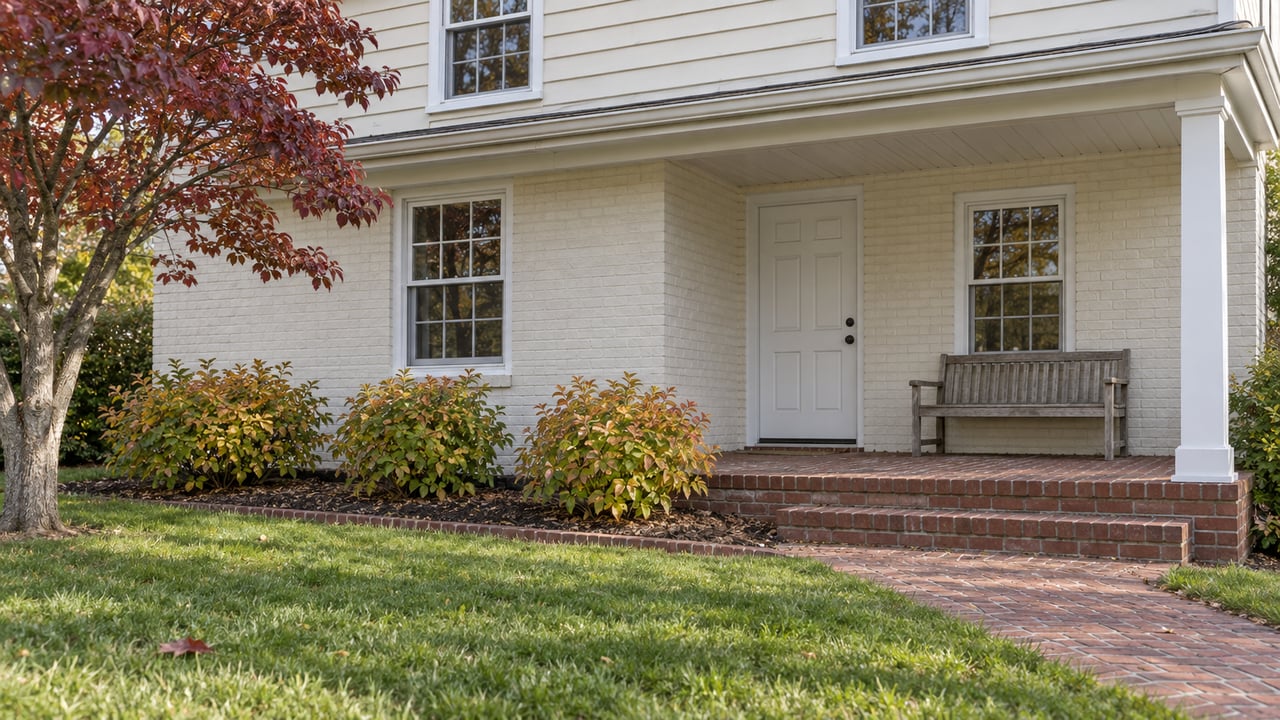
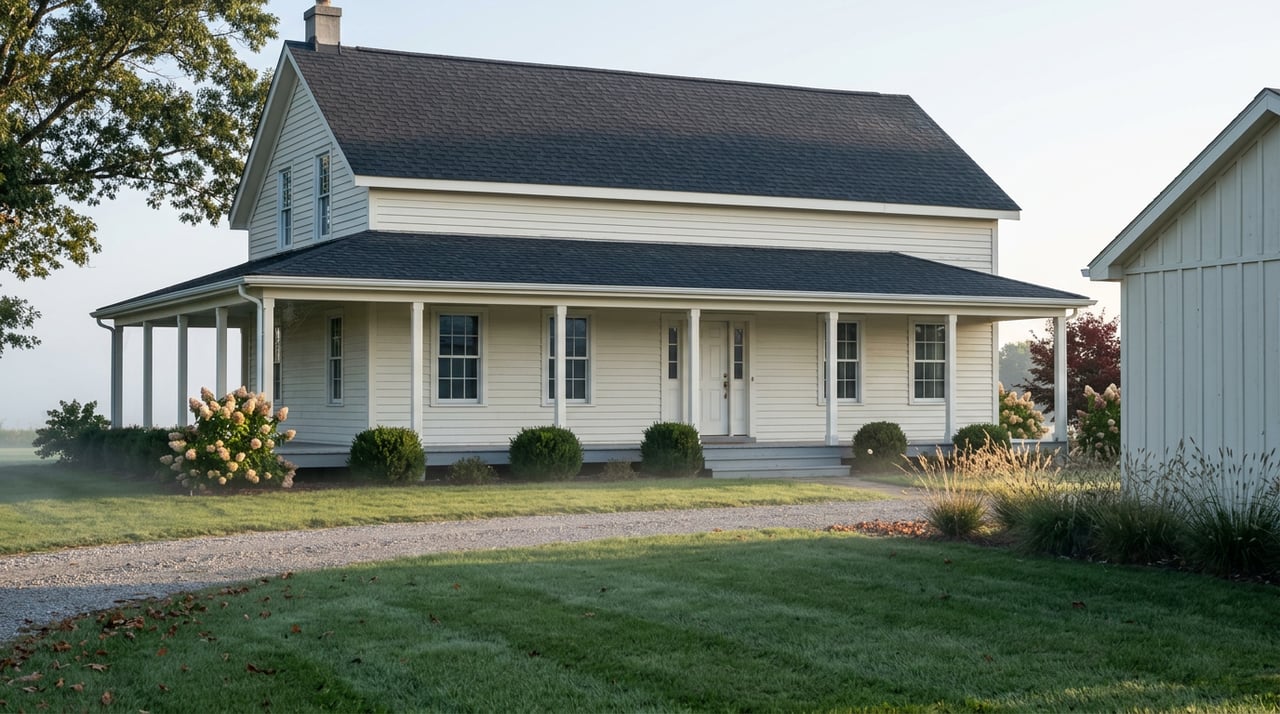
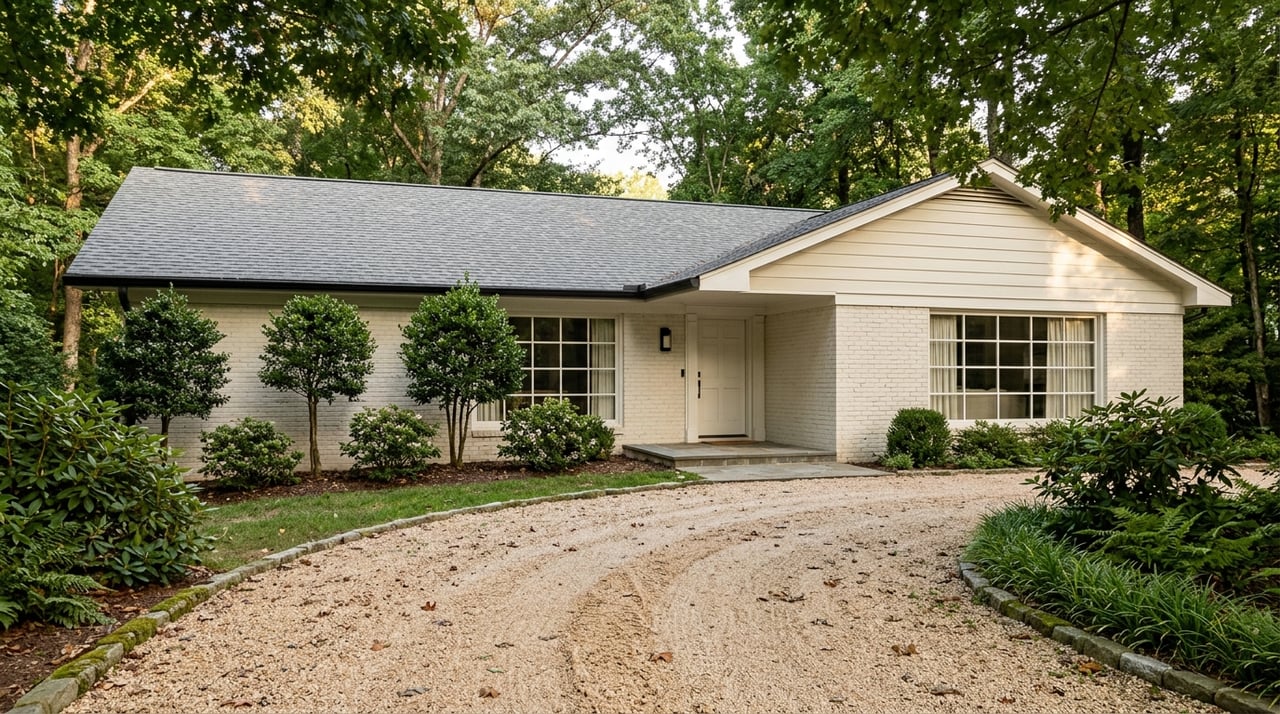
If you picture condos or dense townhouse communities, Warren County may feel different from what you are used to in closer-in Northern Virginia markets. The housing stock is dominated by detached homes, which gives many second-home buyers more options for privacy, outdoor space, and flexible use.
The county’s 2022 housing table lists 12,723 single-family detached units, compared with 951 single-family attached units. It also reports much smaller counts for multifamily buildings and mobile homes, reinforcing that detached housing is the main story here.
For you as a buyer, that often means your search will focus less on amenities inside a large planned building and more on the land, access, and setting around the home. A beautiful view, usable acreage, driveway conditions, and maintenance needs may matter just as much as the home’s square footage.
Where buyers often focus
The county plan notes large-lot and mountain-residential subdivisions around Apple Mountain, Howellsville, Blue Mountain, and Linden. It also says much of the more recent residential growth has been concentrated near Front Royal and along the Route 340/522 corridor.
That creates a few different search paths depending on your goals. You may prefer a more tucked-away mountain setting, a property closer to town services, or a home positioned for easier in-and-out travel from Northern Virginia.
Lifestyle matters more here
Warren County works best when you view it as a lifestyle market first. This is not just about buying another house. It is about choosing how you want to spend your weekends, holidays, or extended stretches away from your primary residence.
Front Royal serves as the North Entrance to Shenandoah National Park, and Skyline Drive begins nearby. The National Park Service also notes that Dickey Ridge Visitor Center sits near Front Royal, which adds to the area’s visibility and appeal for buyers who value scenic access.
Shenandoah River State Park is also in Warren County, and the county plan identifies multiple Shenandoah River boat landings. That combination of park, river, and mountain access helps explain why the area attracts buyers looking for a property tied to recreation, relaxation, and seasonal escape.
Think through your actual use
Before you buy, it helps to define what “second home” means in your life. You may want a weekend retreat, a future retirement base, a place for extended family gatherings, or a property with occasional rental potential.
Each goal points you toward different priorities. A home used mostly for quick weekend trips may need easy road access and low-maintenance features, while a longer-stay property may call for more land, larger living spaces, and stronger year-round functionality.
Site conditions deserve extra attention
One of the biggest differences between buying in Warren County and buying in a more built-out suburb is the property infrastructure. The county notes that it does not have its own water and sewer system and instead relies on town infrastructure in accessible areas.
That means many rural homes may depend on private well and septic systems. For a second-home buyer, this is not a reason to avoid the market, but it is a reason to slow down and evaluate the property carefully.
Questions worth asking early
When you tour properties, keep your focus on the site as much as the house. A strong buying decision often comes from understanding practical details upfront.
Consider asking about:
- Water source and service history
- Septic capacity and approval details
- Road access in different seasons
- Driveway grade and maintenance needs
- Internet availability and reliability
- Ongoing land or exterior maintenance requirements
These details can shape both your budget and your day-to-day experience. In a second-home purchase, convenience and predictability often matter more than buyers expect at first.
What to know about short-term rentals
If you hope to offset costs by renting the home for short stays, Warren County’s rules should be part of your planning from the beginning. The county has an established framework for short-term tourist rentals, but it is clearly regulated.
Warren County defines a short-term tourist rental as a detached single-family dwelling on an individual lot rented for fewer than 30 days. The property must be located in Agricultural (A), Residential-One (R-1), or Rural Residential (RR) zoning districts.
The use requires a Conditional Use Permit, and the process includes a $1,750 application fee, planning staff review, tax verification, public hearings, and supporting documents. The county’s application materials also call for items such as a plat, sketch or site plan, statement of justification, deed verification, inspection consent, sewage information approved by the Virginia Department of Health, and a local property manager within 30 miles.
Why this matters before you buy
If rental income is part of your strategy, you should confirm that a property fits the county’s rules before making assumptions about returns. Not every second home will be a practical short-term rental, even if the location feels well suited for visitors.
The county’s comprehensive plan reported 158 active short-term rental CUPs and 19 grandfathered properties as of October 2024. That tells you the use exists in the market, but it also shows that buyers need to treat it as a regulated business activity rather than an automatic option.
Ongoing tax and transfer details
The county states that the transient occupancy tax rate is 5% and applies to stays of 30 consecutive days or less. It also notes that major booking platforms such as Airbnb, Vrbo, and Expedia are part of the filing and collection system.
The county further explains that, effective January 1, 2026, some owners who use only intermediary platforms may avoid filing a monthly return if they submit the required attestation. If a short-term rental property changes hands, the Conditional Use Permit follows the property, but the new owner must update the permit, keep taxes current, complete a water test, and obtain a Certificate of Zoning for a business license.
Seasonal patterns can shape your timing
Warren County is closely tied to outdoor activity, so the market often feels more seasonal than a typical commuter-driven location. The National Park Service says summer and fall are busy seasons for Shenandoah National Park and warns of long lines at the Front Royal entrance during peak periods.
That matters because buyer interest often follows lifestyle visibility. When the park, river, and surrounding scenery are top of mind, more people are likely to be out exploring the area and touring homes.
A practical takeaway is that late spring through early fall may bring stronger showing activity and more interest in short-term use. Late fall and winter may offer a quieter shopping experience, which can be useful if you want more time to compare options without assuming every listing will move instantly.
Is Warren County the right fit for you?
A second home in Warren County can make a lot of sense if you want space, scenery, and a property that supports a slower rhythm without losing reach to Northern Virginia. It can be especially appealing if your lifestyle priorities include outdoor access, privacy, and detached homes on larger sites.
At the same time, the market asks you to be thoughtful. You will likely need to pay closer attention to land characteristics, road access, utilities, and local short-term rental rules than you would in a more typical suburban purchase.
That is why a lifestyle-first approach matters. The right second home is not just the prettiest one online. It is the one that fits how you plan to use it, what you want to spend, and how much hands-on ownership you want over time.
If you are considering a second home in Warren County and want thoughtful guidance tailored to your goals, Cheryl L. Folmer can help you evaluate the lifestyle fit, property type, and ownership details with the high-touch service LifeStyle via Real Estate is known for.
FAQs
What types of second homes are most common in Warren County?
- Warren County’s housing stock is heavily weighted toward detached single-family homes, so your options will often center on stand-alone properties rather than condos or dense attached communities.
What areas of Warren County should second-home buyers look at?
- Buyers often explore mountain-residential and large-lot areas around Apple Mountain, Howellsville, Blue Mountain, and Linden, as well as areas near Front Royal and the Route 340/522 corridor.
Can you use a Warren County second home as a short-term rental?
- Possibly, but Warren County requires a Conditional Use Permit for short-term tourist rentals, and the property must meet zoning and application requirements.
What should buyers check about utilities in Warren County?
- Because many rural properties may rely on private well and septic systems, you should review water, sewage, and site service details carefully before you buy.
When is the best time to shop for a second home in Warren County?
- Late spring through early fall often aligns with stronger outdoor activity and buyer interest, while late fall and winter may offer a quieter touring experience.