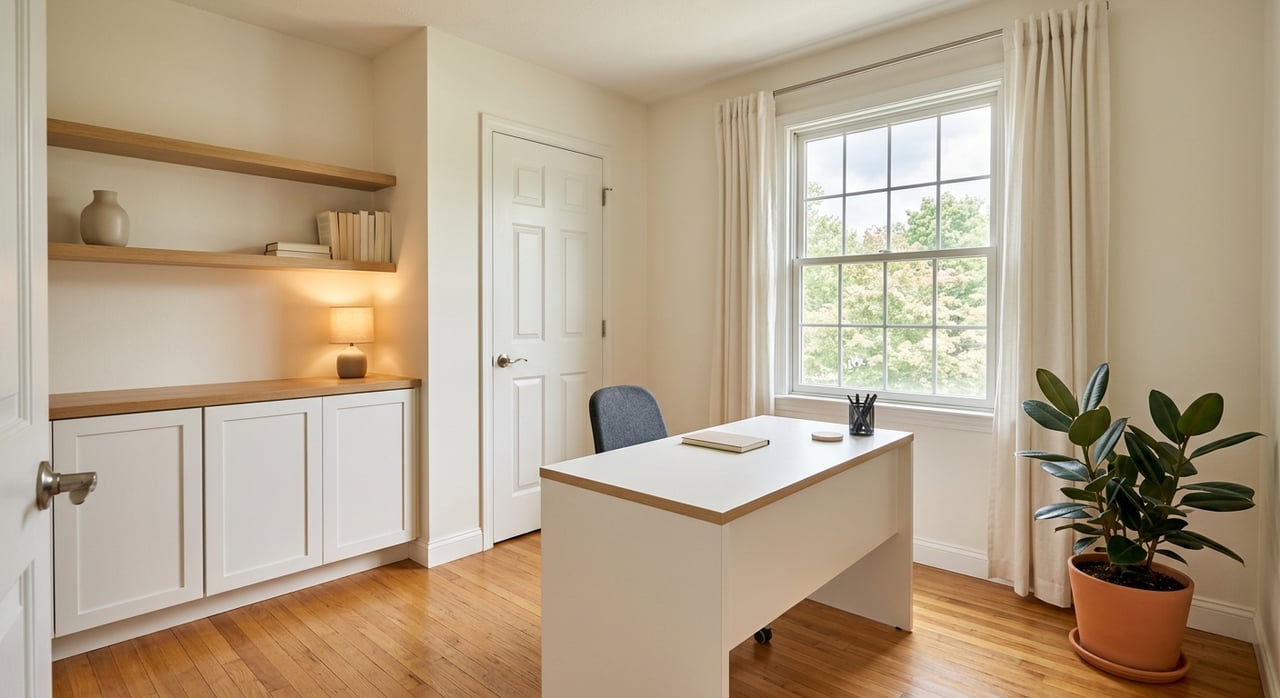
If your work laptop can go anywhere, your home base can too. More remote and hybrid professionals are looking beyond Northern Virginia for a place that feels easier to live in, easier to move around, and still practical for getting work done. In Winchester, Virginia, many are finding a mix of historic charm, lower housing costs, and everyday work-friendly infrastructure that stands out. Let’s take a closer look at why Winchester 22601 is getting so much attention.
Why Winchester stands out
Winchester is a compact city with about 27,800 residents spread across 9.19 square miles. Founded in 1744, it is the oldest Virginia city west of the Blue Ridge Mountains, which gives the area a sense of character that many newer communities cannot replicate.
For remote professionals, that matters. When you are not commuting to an office every day, the feel of your surroundings often becomes a bigger part of your daily quality of life. Winchester offers a setting that feels established, walkable in key areas, and connected to local amenities.
Old Town adds daily lifestyle value
Old Town Winchester is a major reason people are drawn to the area. The city describes it as the cultural heart of Winchester, centered around the Loudoun Street walking mall and supported by a locally designated historic district that helps preserve its character.
That charm is not just visual. Old Town includes more than 35 restaurants, more than 60 shops, museums, and the pedestrian mall, all within an easy walking area. For someone working remotely, that can mean a more enjoyable lunch break, a quick coffee meeting, or an easy change of scenery after a day at home.
Practicality is part of the appeal too. Old Town Winchester offers about 2,000 parking spaces across garages, lots, and on-street spaces that are accessible 24/7. That makes downtown more usable whether you are meeting a client, working from a café, or spending time in the area after hours.
Housing costs are lower than Northern Virginia
For many buyers, the biggest reason to consider Winchester is straightforward: the numbers look different here. According to Census QuickFacts, the median owner-occupied home value in Winchester is $325,900, compared with $699,700 in Fairfax County and $864,800 in Arlington County.
The same pattern shows up in rental costs. Winchester’s median gross rent is $1,298, while Fairfax County is $2,230 and Arlington County is $2,275. For remote professionals who do not need to be in a Northern Virginia office five days a week, that gap can open up more options in how you live and what you prioritize.
That flexibility may mean putting more of your budget toward space, saving for future goals, or choosing a home that better fits your day-to-day routine. Winchester’s 2022 comprehensive plan also signals local support for decent affordable housing for young professionals and retirees, which reinforces the city’s broader direction.
A good fit for work-from-home life
A location has to support your workday, not just your weekends. Winchester shows several signs that it can do both.
Census data reports that 91.9% of households have a computer and 86.4% have a broadband internet subscription. The city’s consolidated plan also notes that, based on the FCC National Broadband Map, most of the regional consortium area is covered by both mobile and fixed broadband, with no area shown as lacking broadband, though some places have only one service type.
In simple terms, Winchester appears workable for home-based professionals. If your job depends on video calls, cloud-based tools, or a reliable home office setup, that kind of infrastructure matters.
Coworking and café options support flexibility
Remote work rarely looks the same every day. Some days you want a dedicated office. Other days you want to answer emails over coffee or take a casual meeting outside the house.
Winchester offers visible options for that kind of flexibility. The Merchant Coworking in Old Town provides flex desks, dedicated desks, private offices, conference rooms, and 24-hour access in a historic bank building.
The local café scene also supports laptop-friendly routines. The Hideaway Café presents itself as a place to work behind a laptop or hold a casual business meeting, and Old Town dining listings include coffee-focused stops such as Lloyd’s Tropical Island Coffee and Café and Aroma Deli’s coffee bar.
For many buyers, this kind of setup is more important than ever. It gives you choices during the workweek without requiring a long drive or a major membership commitment in a larger city.
Transportation is practical, but car-oriented
Winchester is not a rail-first market, and that is important to understand upfront. The city’s history notes that Interstate 81 was completed along Winchester’s eastern boundary in 1965, while regularly scheduled passenger rail ended in 1958.
Today, Winchester’s transportation picture is more road-based. Winchester Transit lists WinReady on-demand service, the Loop Route, the Laurel Ridge Route, and paratransit, which helps support local mobility.
For broader regional travel, though, a car is still likely to be part of everyday life. The city’s 2024 transit plan identifies the closest Amtrak station as Martinsburg, West Virginia, and the nearest intercity bus stop as Front Royal, served by the Virginia Breeze Valley Flyer commuter bus line.
That does not make Winchester inconvenient. It simply means the area works best if you are comfortable with a road-first lifestyle and occasional indirect rail access rather than expecting direct passenger rail in town.
Who is most likely to love Winchester?
Winchester tends to appeal to remote and hybrid professionals who want more breathing room without giving up a sense of place. If you value character, practical downtown access, and a lower housing-cost baseline than Northern Virginia, the city checks several important boxes.
It may be especially appealing if you are looking for:
- A home base with lower housing costs than Fairfax or Arlington
- A downtown that feels active and established
- Work-from-home infrastructure that supports daily productivity
- Access to coworking and laptop-friendly cafés
- A lifestyle that leans more on driving than rail commuting
This is where a lifestyle-first real estate conversation becomes useful. If your move is about more than square footage, you need to think about how you want your week to feel, not just what you want your house to look like.
What to consider before you move
Winchester offers a compelling mix, but it is still smart to weigh the full picture. If direct rail access is essential to your routine, or if you need to be in a Northern Virginia office several times a week, the transportation setup may feel less convenient than a location closer to major rail lines.
On the other hand, if your schedule is flexible and your priority is balancing cost, character, and workability, Winchester may deserve a closer look. The combination of historic downtown energy, visible remote-work support, and lower housing costs is exactly why more professionals are paying attention.
When you approach a move like this, it helps to look at the lifestyle from every angle: where you will work, how often you will drive, how you want to spend your free time, and what kind of home environment supports your next chapter best.
If you are weighing Winchester against Northern Virginia or trying to find the right fit for your remote-work lifestyle, Cheryl L. Folmer can help you think through your options with the kind of local, high-touch guidance that makes a move feel clear and well planned.
FAQs
Is Winchester, VA cheaper than Northern Virginia for housing?
- Yes. Census QuickFacts shows Winchester’s median owner-occupied home value is $325,900, compared with $699,700 in Fairfax County and $864,800 in Arlington County. Median gross rent is also lower in Winchester at $1,298 versus $2,230 in Fairfax County and $2,275 in Arlington County.
Is Winchester, VA a good place for remote work?
- It can be a practical option for remote work. Census data shows high computer and broadband access, and Winchester has visible work-friendly spaces such as coworking offices and laptop-friendly cafés in and around Old Town.
What makes Old Town Winchester appealing to remote professionals?
- Old Town is described by the city as Winchester’s cultural heart. It includes the Loudoun Street walking mall, historic character, more than 35 restaurants, more than 60 shops, museums, and practical parking, which can make daily life more enjoyable and flexible.
Do you need a car to live in Winchester, VA?
- In many cases, yes. Winchester has local transit options, but the city is more road-first than rail-first, and the nearest Amtrak station is in Martinsburg, West Virginia rather than in Winchester itself.
Are there coworking spaces and cafés for remote workers in Winchester?
- Yes. The Merchant Coworking offers desks, offices, conference rooms, and 24-hour access in Old Town, and local spots such as The Hideaway Café and other coffee-focused businesses support laptop work and casual meetings.