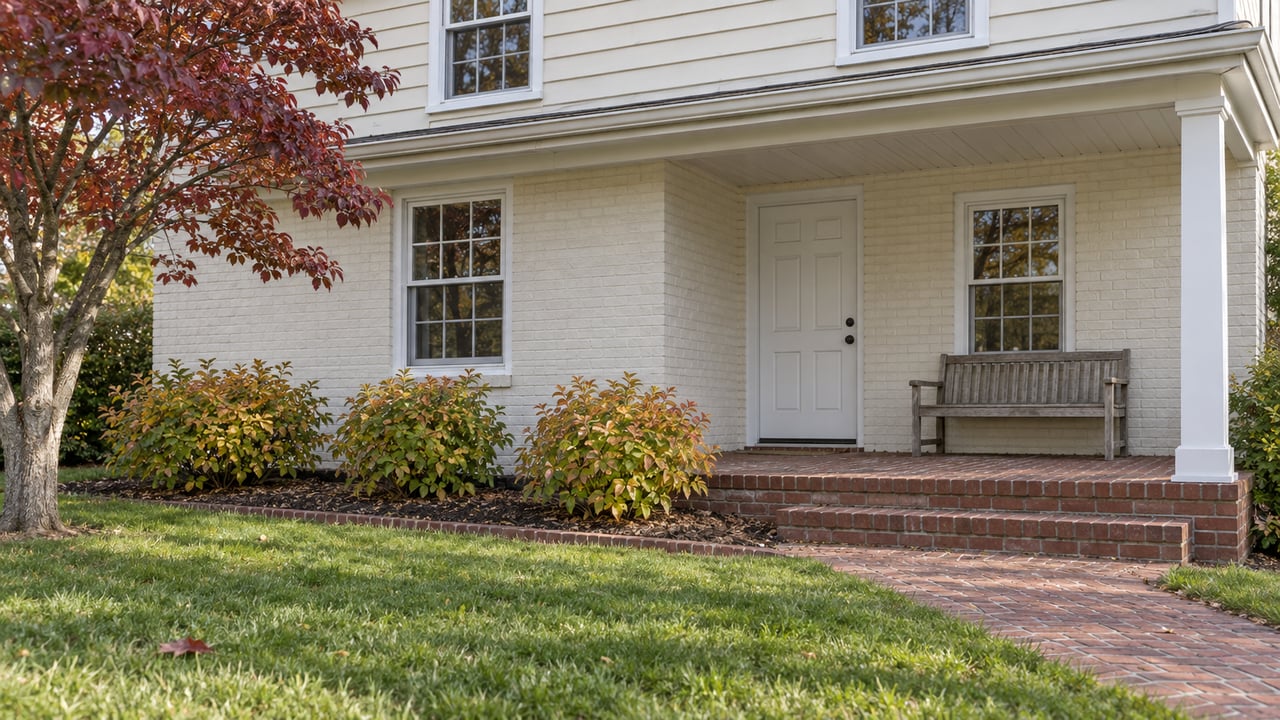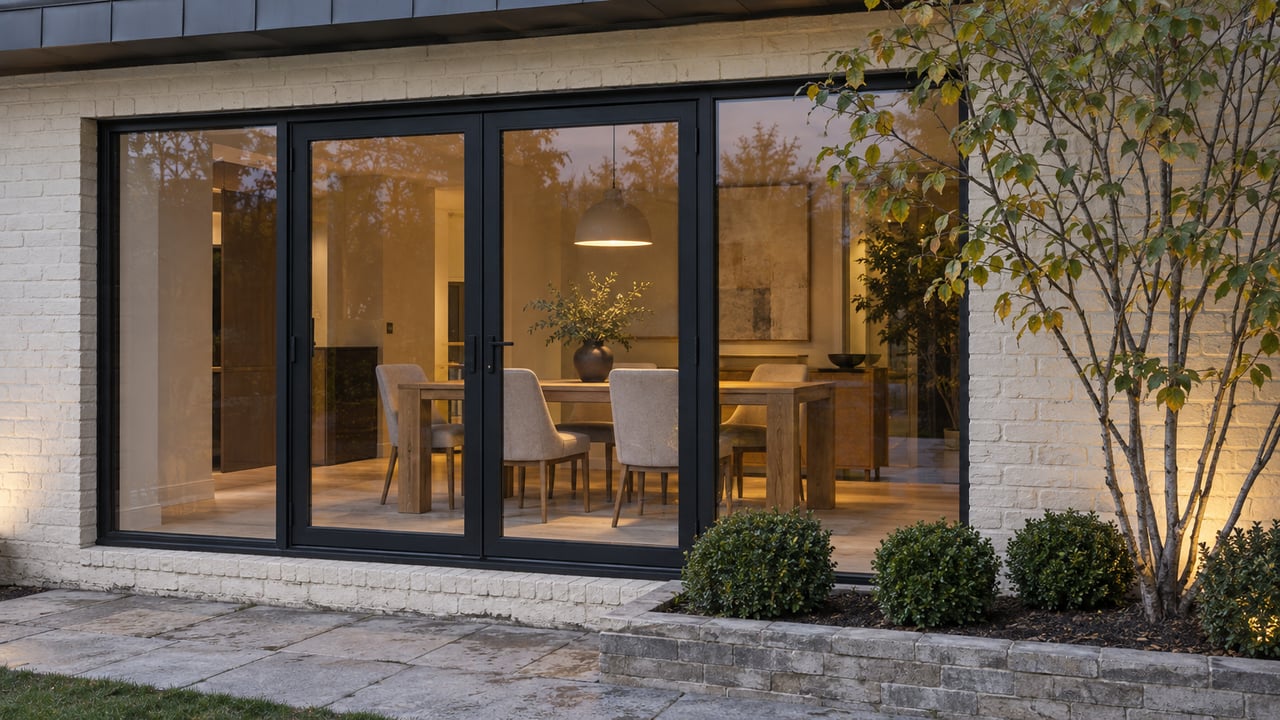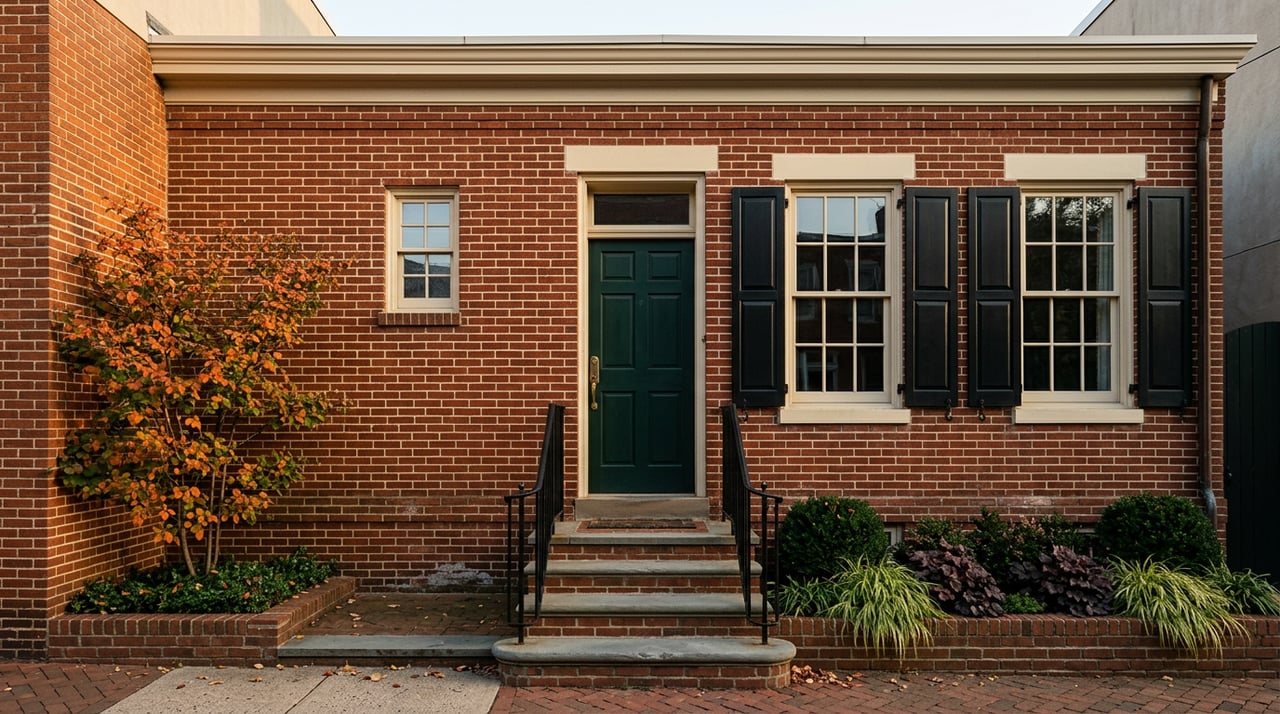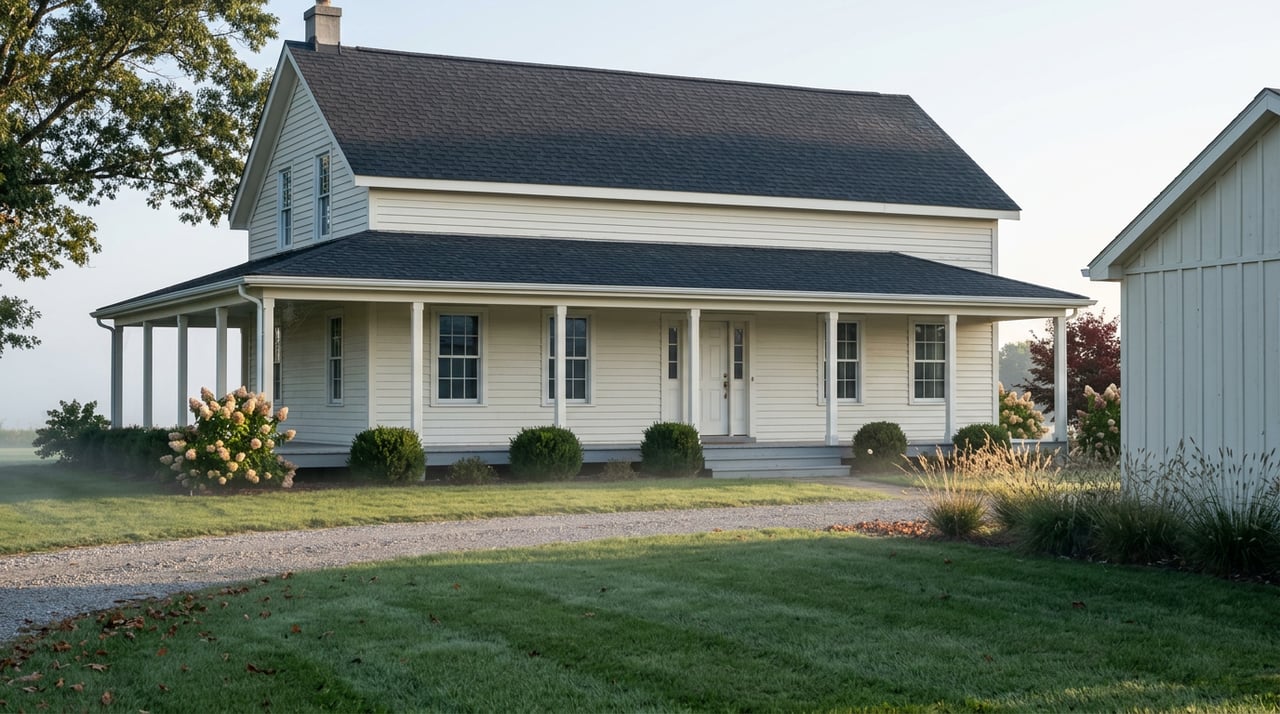
Two buyers walk into Fairfax County this month with the same $900,000 pre-approval letter. One closes on a renovated three-bedroom colonial with a half-acre yard. The other closes on a one-bedroom condo and a wait list for a second parking spot. Both bought in McLean. Neither one made a mistake. They started their search with the same number and ended up in two different housing markets that happen to share a name.
That number is a regional median, and in June 2026 the Northern Virginia Association of Realtors put it at $810,000 for closed sales across the region, up 5.2 percent year over year, with total sales volume up 12.7 percent and days on market falling to 19 even as inventory kept climbing. It's a real figure describing a real market. It's also an average of thousands of transactions happening at wildly different price points, in wildly different housing stock, within the same thirty-mile stretch of Northern Virginia. Treating it as a shopping guide is where the friction starts.
The Number Behind the Number
Fairfax County's active inventory was running about 17 percent above the same week a year earlier as of early August 2026, and new listings had outpaced new contracts for 24 straight weeks. That combination, more homes sitting on the market while fewer new ones cancel it out, describes a county where buyers have more room to compare and sellers have less room to overprice. But it's a county-wide description. It says nothing about whether your specific budget buys a rebuild lot in one pocket or a dated condo three miles away. The aggregate trend is real. It just isn't the trend that determines what your money buys on any single street.
McLean Is Two Markets Wearing One Name
McLean is the clearest example of why a single median collapses under its own weight. Zillow's home value index for the two ZIP codes that make up McLean showed 22101 at roughly $1.7 million and 22102 at roughly $841,000 earlier in 2026, a spread of nearly two to one inside one community name. That gap isn't a data error. It's a description of two different housing products. ZIP 22101 covers the legacy lots and rebuild-heavy streets closer to downtown McLean, where teardown activity and larger parcels push values up. ZIP 22102 pulls in the Tysons-adjacent condo towers and multifamily buildings, which drag the median down even though the surrounding schools and commute times are nearly identical.
Drill one layer deeper and the same pattern repeats inside the neighborhoods themselves:
| Typical Price Band | What's Actually There | |
|---|---|---|
| Langley Farms | $5M and up | Estate lots, custom construction |
| McLean core (22101) | Roughly $1.7M | Legacy lots, active rebuild activity |
| Franklin Park | $1.3M to $2M | Updated single-family, multiple-offer activity on anything move-in ready |
| Evans Farm | Around $1.1M | Townhomes and smaller colonials |
| Tysons-adjacent (22102) | Roughly $841K | Condo and multifamily-heavy mix |
A buyer with a $1.1 million budget who searches "homes in McLean" and anchors on the town median has no way of knowing whether that number describes a townhome in Evans Farm or a starter unit in a Tysons tower. The town name tells you almost nothing. The pocket tells you everything.
The Same Split, Smaller Scale, in Vienna
Vienna runs the same test at a lower price ceiling. Town-wide reporting through 2026 has put the median anywhere from roughly $1.2 million to $1.6 million depending on the month and the sample size, which is itself a sign of how much a small number of high-value sales can swing a small town's headline figure. But Dunn Loring Woods, an enclave within walking distance of the Dunn Loring Metro on the Orange Line, has been running $750,000 to $1.1 million, a genuine value pocket that gets overlooked precisely because it shares Vienna's name with streets priced well above it.
Meanwhile the corridor where Vienna meets Tysons has been building new-construction townhomes and condos in the $600,000 to $1.2 million range. The commute and convenience are excellent. The character is not old Vienna. It's new Tysons wearing a Vienna mailing address. Anyone shopping the town median without knowing which side of that line they're standing on will tour homes that don't match what they actually want.
Reston Costs Less Than Vienna, and Transit Access Isn't the Reason
Reston's median has been running roughly $570,000 to $592,000, a gap of 40 percent or more compared with Vienna. If you assumed that gap tracked school quality or safety, you'd be reaching for the wrong explanation and, more importantly, one this piece won't make, since neither factor explains the price difference here. Both towns carry the identical property tax rate of $1.110 per $100 of assessed value, so the spread isn't a tax subsidy either.
The more useful explanation is housing stock composition. Reston was built as a planned community with condos and attached product woven through every price tier from the start. Vienna's stock leans toward detached single-family homes on individual lots. Reston also has two Metro stations on the Silver Line, including Reston Town Center, compared to Vienna's single Orange Line stop at Vienna/Fairfax-GMU, yet it's still the cheaper town. If transit access alone drove price, that relationship would run backward. It doesn't, because what's actually being priced is the mix of product, not the amenities sitting near it.
Vertical Living Runs the Same Test Inside a Single ZIP Code
Tysons condos compress this entire argument into one building versus the next. The average condo sale price across Tysons in 2025 was $652,025, down about 13 percent from the year before, at an average of $507.63 per square foot. Days on market stretched from 37 days in 2024 to 51 in 2025, roughly 37 percent longer, which tells buyers they now have real room to negotiate even in a market this small and this dense.
But the average hides the same building-to-building spread that shows up everywhere else in this county. The Verse averaged $1.02 million in sales with a price per square foot near $734. One Park Crest, a short walk away, averaged around $760,000 at roughly $573 per square foot. The Monarch's top sale of the year, a two-bedroom unit, closed at $1,975,000. Three buildings, one neighborhood, three entirely different price conversations. And the spread is likely to widen rather than narrow. The Ritz-Carlton Residences, announced for delivery in 2028, are expected to push the top of the Tysons condo market even higher, which means today's gap between a Verse unit and a One Park Crest unit may look modest in hindsight.
What This Means If You're Searching Right Now
The lesson isn't that medians are useless. It's that they answer a different question than the one most buyers are actually asking. A county or town median tells you what happened, on average, across every transaction in a wide area. It doesn't tell you what your specific budget buys on your specific street, in your specific building, for your specific product type.
The more useful question is narrower: what does this price band buy in this ZIP code, in this enclave, in this building, right now. That question requires knowing which pockets inside McLean, Vienna, Reston, and Tysons are currently trading where, and why, rather than starting from a headline number and working backward. That's the kind of comparison that determines whether you spend your search touring homes that fit your life or homes that just happen to share a town name with what you actually want.
If you're weighing Fairfax County corridors against each other and want to know what a specific budget actually buys in McLean, Vienna, Tysons, or Reston right now, LifeStyle via Real Estate can walk through the pocket-level comparisons that a headline median will never show you. Schedule a consultation and we'll start with the neighborhoods that actually match what you're looking for.
A Few Questions Worth Answering Directly
Is the regional median price rising or falling in 2026? By the regional number, it's rising. NVAR reported a $810,000 regional median sold price in June 2026, up 5.2 percent year over year, even as inventory grew. Rising prices and rising supply can coexist when buyer demand keeps pace with new listings, which is roughly what's happening at the regional level right now.
Why does Reston cost less than Vienna despite having more Metro access? Because price here tracks housing stock composition, detached versus attached product, lot size, and age of construction, more than it tracks nearby amenities. Reston's stock includes more condos and attached homes threaded through every price tier, which pulls its median down relative to Vienna's more detached, single-family-heavy stock.
Should I trust a town-wide median when comparing Fairfax County neighborhoods? Use it as a starting point, not a shopping tool. The number that actually determines what you'll pay is tied to your specific ZIP code, enclave, or building, since towns across this county can span a two-to-one price difference under a single name.
This article is general information, not legal, tax or financial advice. Consult a qualified professional about your situation.