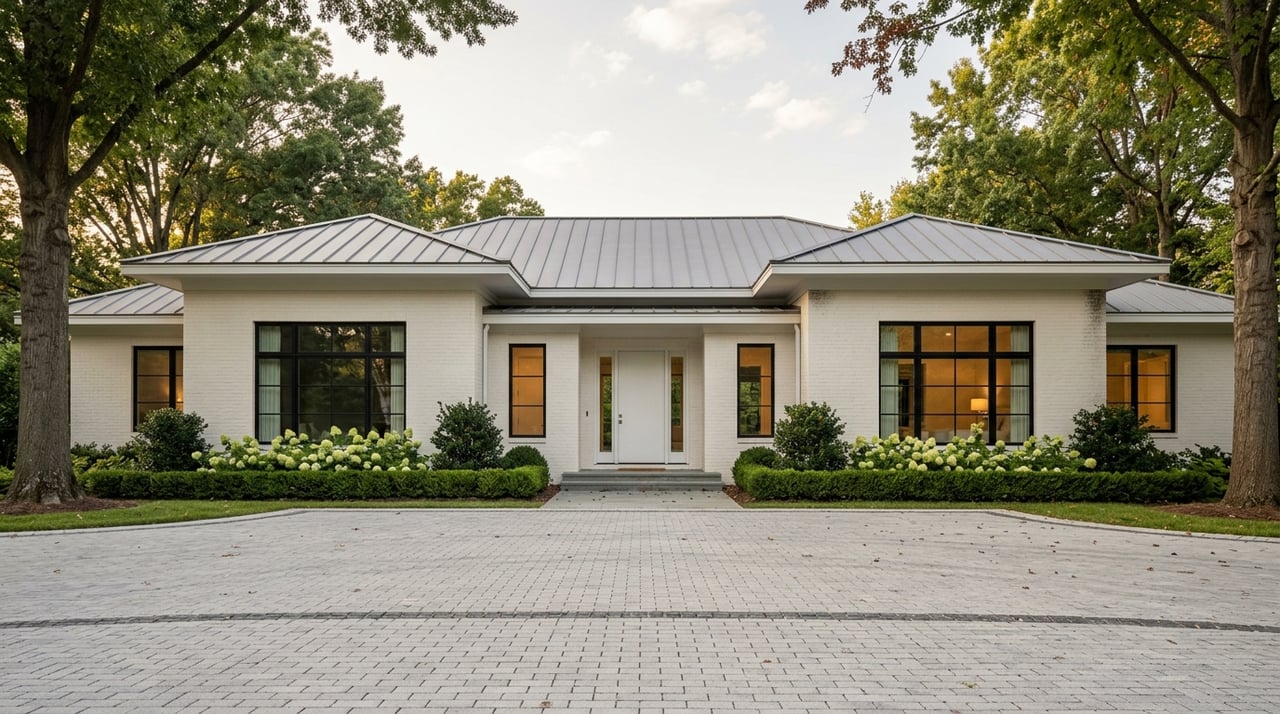
Selling a luxury home in Great Falls is not the same as listing a typical suburban property. Here, buyers are evaluating the full estate experience, from the home itself to the land, privacy, driveway approach, tree cover, and outdoor living areas. If you want to protect your value and attract serious interest, you need a strategy that reflects how this market really works. Let’s dive in.
Why Great Falls Requires a Different Strategy
Great Falls has a distinct estate-style housing pattern shaped by large lots and a more open, rural character. In practical terms, that means your property is being judged on more than square footage and finishes.
For many buyers, the setting is part of the value story. The usability of the land, the sense of privacy, the arrival experience, and the condition of site improvements can influence how your home compares against other luxury options.
Land Is Part of the Product
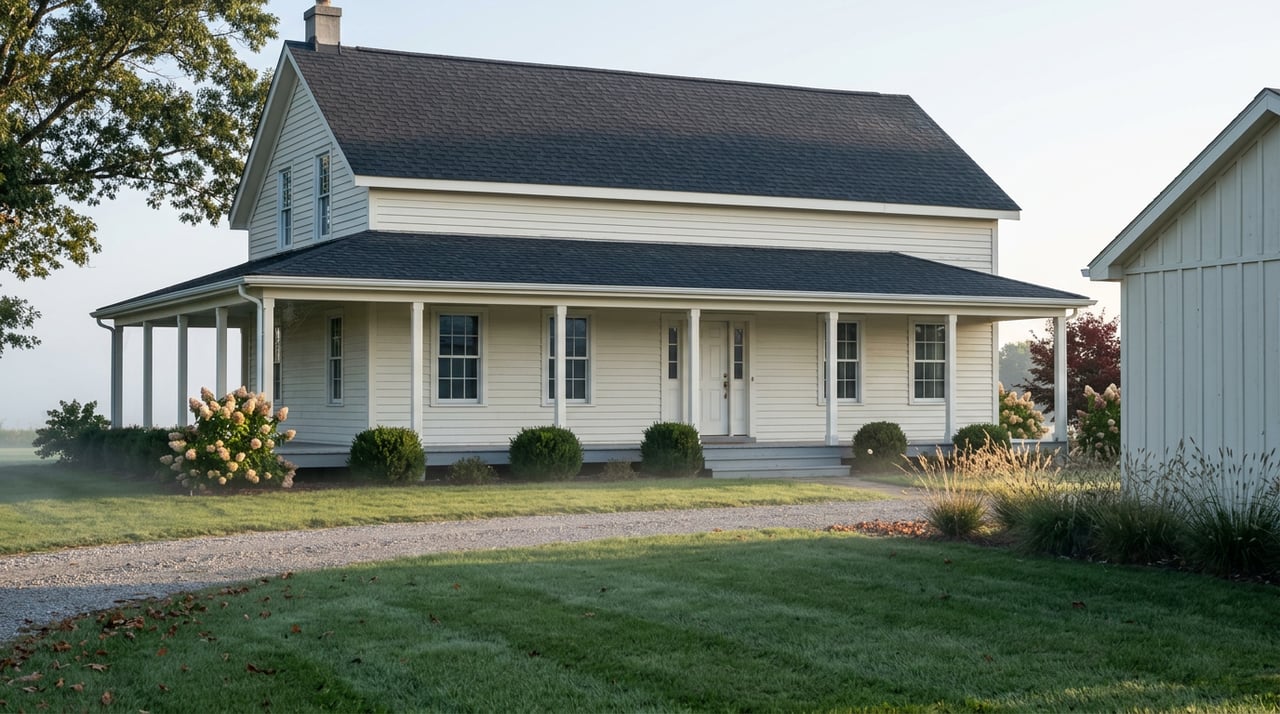
In Great Falls, acreage often carries real weight in buyer decision-making. A long private drive, mature landscaping, pool area, terraces, and guest or auxiliary spaces may all affect how your home is perceived in the market.
That is why a strong sales plan should present the property as a complete estate offering. Your marketing, pricing, and showing strategy all need to reflect the lifestyle the property supports.
Understand the Northern Virginia Market Backdrop
The broader Northern Virginia market remains active, but buyers are selective. In May 2026, the region reported 1,958 closed sales, a median sold price of $812,012, average days on market of 15, and 1.93 months of supply.
Detached homes are also still expected to post modest price gains, with inventory remaining near historically low levels. That can support a well-prepared luxury listing, but it does not remove the need for pricing discipline and polished presentation.
Why Selective Buyers Matter in Luxury
Luxury homes often have a smaller buyer pool than more standard properties. Because of that, your early market debut matters even more.
If buyers sense that a property is overpriced, underprepared, or difficult to understand online, momentum can slow quickly. In a market where condition and value are scrutinized, first impressions count.
Price the Home With Precision
A luxury list price should be grounded in a comparative market analysis that looks at recent sold, under-contract, and active listings. Pricing is not just about what you hope to achieve. It is about how buyers will measure your home against available alternatives.
A thoughtful pricing analysis should consider size, location, amenities, condition, current market conditions, buyer preferences, and your timing goals. Offer strength can also depend on factors beyond price alone, including contingencies and overall terms.
Great Falls Comps Need More Judgment
In Great Falls, comparable sales often require more interpretation than they would in a typical subdivision. Two homes may appear similar on paper but differ meaningfully in privacy, site usability, renovation quality, outdoor living appeal, or constraints tied to lot layout.
Buyers are also advised under Virginia disclosure rules to verify surveys, lot lines, zoning, setbacks, and lot coverage. That makes it especially important to position your property accurately and avoid pricing that assumes every acre or improvement will be valued the same way.
Match Pricing to Your Goal
If your top goal is speed, a more competitive asking price may help generate faster action. If your goal is to maximize proceeds, the price still needs to support strong early interest rather than stall the listing.
In a smaller luxury buyer pool, early momentum matters. The first days and weeks on market can shape the entire trajectory of your sale.
Prepare the Property Buyers Expect to See
Luxury buyers notice details. They are not only looking for beauty, but also for signs that the home has been carefully maintained and thoughtfully presented.
Research on home staging shows why preparation matters. In NAR’s 2025 Profile of Home Staging, 83% of buyers’ agents said staging made it easier for buyers to visualize the property as a future home, 29% said staging increased the dollar value offered by 1% to 10%, and 49% of sellers’ agents reported less time on market.
Focus on the Most Visible Rooms
The rooms most often staged are the living room, primary bedroom, dining room, and kitchen. These spaces typically do the most work in helping buyers understand comfort, scale, and flow.
For your home, that may mean simplifying furniture layouts, refining decor, improving lighting, and making sure finishes and surfaces photograph cleanly. The goal is not to erase personality completely, but to make the home easy to read and easy to imagine.
Extend Staging Outdoors
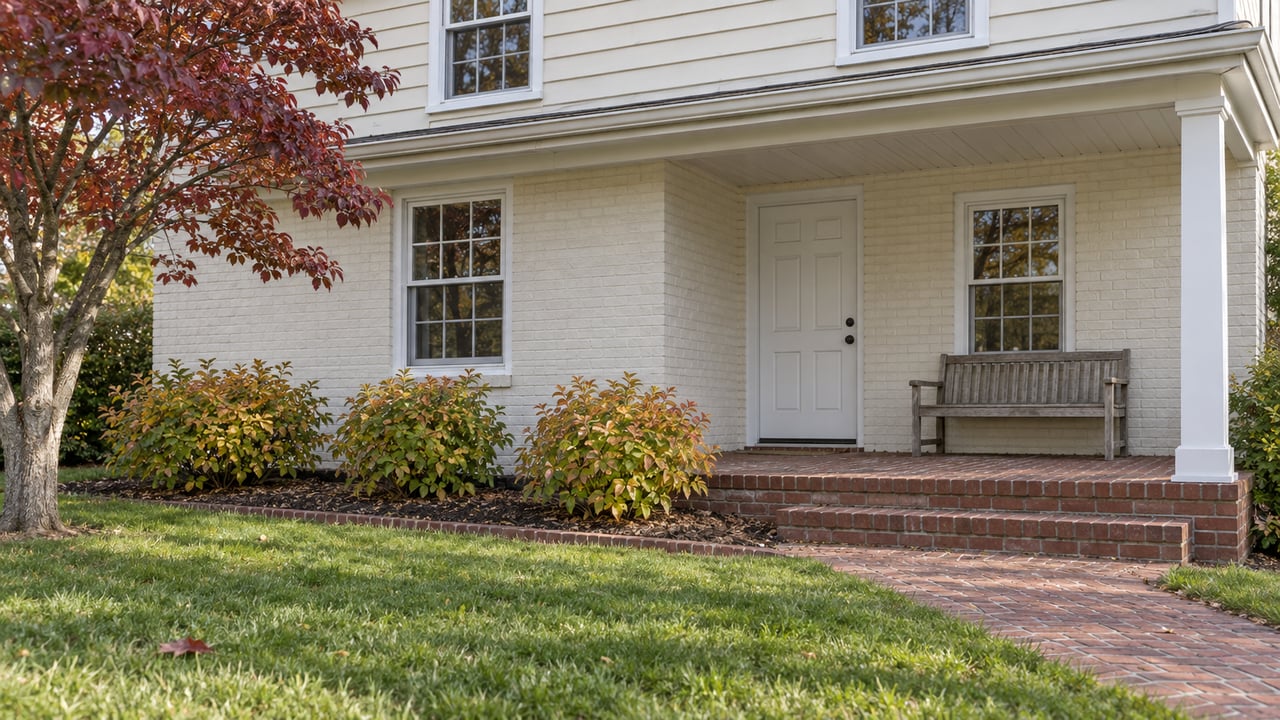
In Great Falls, exterior presentation deserves the same attention as the interior. Curb appeal matters at every price point, and it carries even more weight when the site itself is part of the value.
NAR reports that 92% of REALTORS® recommend improving curb appeal before listing and 97% believe curb appeal is important to attracting buyers. For an estate property, that can include:
- Lawn and landscape maintenance
- Tree and shrub cleanup
- Driveway and entry presentation
- Pool, patio, or terrace preparation
- Clear definition of outdoor entertaining areas
When buyers arrive, they should immediately understand the property’s scale, care, and lifestyle potential.
Protect Privacy Without Sacrificing Exposure
Privacy is often a major concern for luxury sellers in Great Falls. The good news is that confidentiality can be built into the process, but it has to be managed intentionally.
Fairfax County allows owner names to be withheld from the internet assessment record upon request. Virginia brokerage law also requires licensees to maintain client confidentiality while still disclosing material facts actually known about the property.
Build a Controlled Showing Plan
A smart luxury showing plan balances reach with discretion. You want qualified buyers to have access, but you do not want unnecessary traffic or inconsistent information circulating in the market.
That usually means keeping marketing materials professional, controlling when detailed property information is shared, and using a showing process that respects your time, privacy, and property security.
Launch With Your Digital Presentation Ready
Most listings are judged online before a buyer ever schedules a visit. NAR reports that 52% of buyers found the home they purchased online, and 81% said listing photos were the most useful feature in their search.
That means your listing needs to be fully prepared before it goes live. A rushed launch can waste the strongest window of attention.
What a Strong Luxury Launch Includes
Your online presentation should help buyers quickly understand both condition and lifestyle. For many Great Falls properties, that means having the full package ready at launch, including:
- Professional photography
- Thoughtful photo sequencing
- A floor plan
- Video or virtual tour
- Listing copy that answers key questions quickly
Early views, saves, and shares can influence visibility in the first few days. That makes preparation more than a cosmetic step. It is part of your sales strategy.
Time the Market Around Readiness
Spring is typically the strongest seasonal window in the Northern Virginia market. NVAR identified May as the seasonal peak of the spring market in its 2026 reporting.
Still, timing should not be based on season alone. For a luxury home, it is often better to launch when landscaping, lighting, staging, and photography are fully ready than to go live too early with an incomplete presentation.
Why Readiness Beats Urgency
Luxury buyers expect a polished experience from the start. If your home comes to market before it is visually and strategically ready, you may lose the benefit of that initial interest.
A well-timed launch is not just about picking a month. It is about entering the market with confidence, clarity, and a property that shows at its best.
Handle Virginia Disclosure Items Early
A smoother luxury sale often starts with early document review. Under the Virginia Residential Property Disclosure Act, sellers generally make no representation about the condition of the property, covenants or restrictions, mineral rights, lot lines, or whether the property can be expanded or improved in specific ways.
Buyers are advised to conduct due diligence, which may include inspections, mold assessment, energy analysis, survey review, and zoning review for matters such as setbacks, height, and lot coverage. For a Great Falls seller, that means it is wise to organize property information early so questions can be addressed efficiently.
Other Important Transaction Items
A few additional details may apply depending on the property:
- Homes built before 1978 may require lead-based paint disclosure and the EPA pamphlet
- If the property is in a condo or homeowners association, Virginia law requires the association resale certificate to be obtained and provided to the purchaser
- In Virginia, the purchaser has the right to choose the settlement agent
These items are easier to manage when they are addressed before the listing process is far along.
Decide What to Fix Before Listing
Many sellers wonder whether they should renovate before going to market. In most cases, the better approach is targeted preparation rather than broad remodeling.
Visible condition issues, dated presentation, deferred maintenance, and weak curb appeal can hurt buyer response. By contrast, focused improvements in staging, landscaping, and presentation often do more to support a strong sale than major discretionary upgrades.
Prioritize High-Impact Improvements
Before listing, focus on the items most likely to influence buyer perception:
- Deferred maintenance that raises concern
- Paint, lighting, and finish updates that improve presentation
- Deep cleaning and decluttering
- Landscape and driveway improvements
- Outdoor spaces that need clearer purpose or better upkeep
The right plan depends on your property, your timeline, and the expectations of likely buyers in Great Falls.
If you are preparing to sell a luxury home in Great Falls, the goal is not simply to put the property on the market. The goal is to tell the right value story, protect your privacy, and launch with a strategy that reflects how estate buyers make decisions. For tailored guidance and boutique representation, connect with Cheryl L. Folmer.
FAQs
What makes selling a luxury home in Great Falls different from selling elsewhere in Northern Virginia?
- Great Falls is defined by large-lot estate properties, so buyers often evaluate land, privacy, driveway approach, tree cover, and outdoor living areas alongside the house itself.
How should you price a luxury home in Great Falls?
- A strong price should be based on recent sold, active, and under-contract comparables, while also accounting for factors like acreage, condition, privacy, site usability, and amenities.
Should you stage a Great Falls luxury home before listing?
- Yes. Staging can help buyers visualize the home more easily, and for Great Falls properties, that preparation should usually include both interior rooms and outdoor living spaces.
How private can the sale of a Great Falls luxury home be?
- Privacy can be managed through confidential brokerage practices, controlled showings, professional marketing, and, if requested, withholding owner names from Fairfax County’s internet assessment record.
When is the best time to list a luxury home in Great Falls?
- Spring is typically a strong market window in Northern Virginia, but the best launch time is when your home is fully ready with polished presentation, landscaping, and complete marketing assets.
What disclosures matter when selling a luxury home in Virginia?
- Depending on the property, sellers may need to address Virginia property disclosure requirements, possible lead-based paint disclosure for pre-1978 homes, and association resale certificate requirements if the property is in an HOA or condo association.